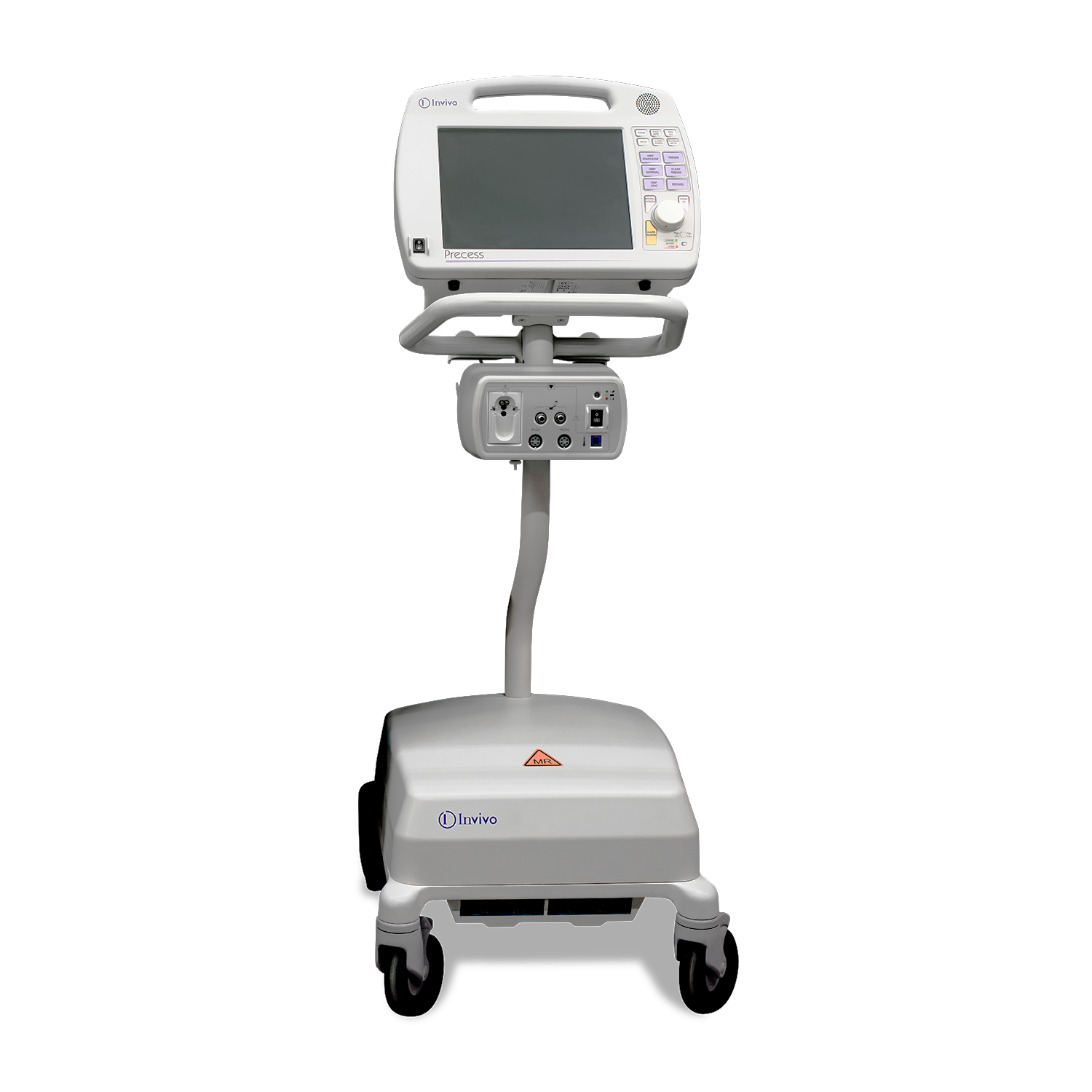
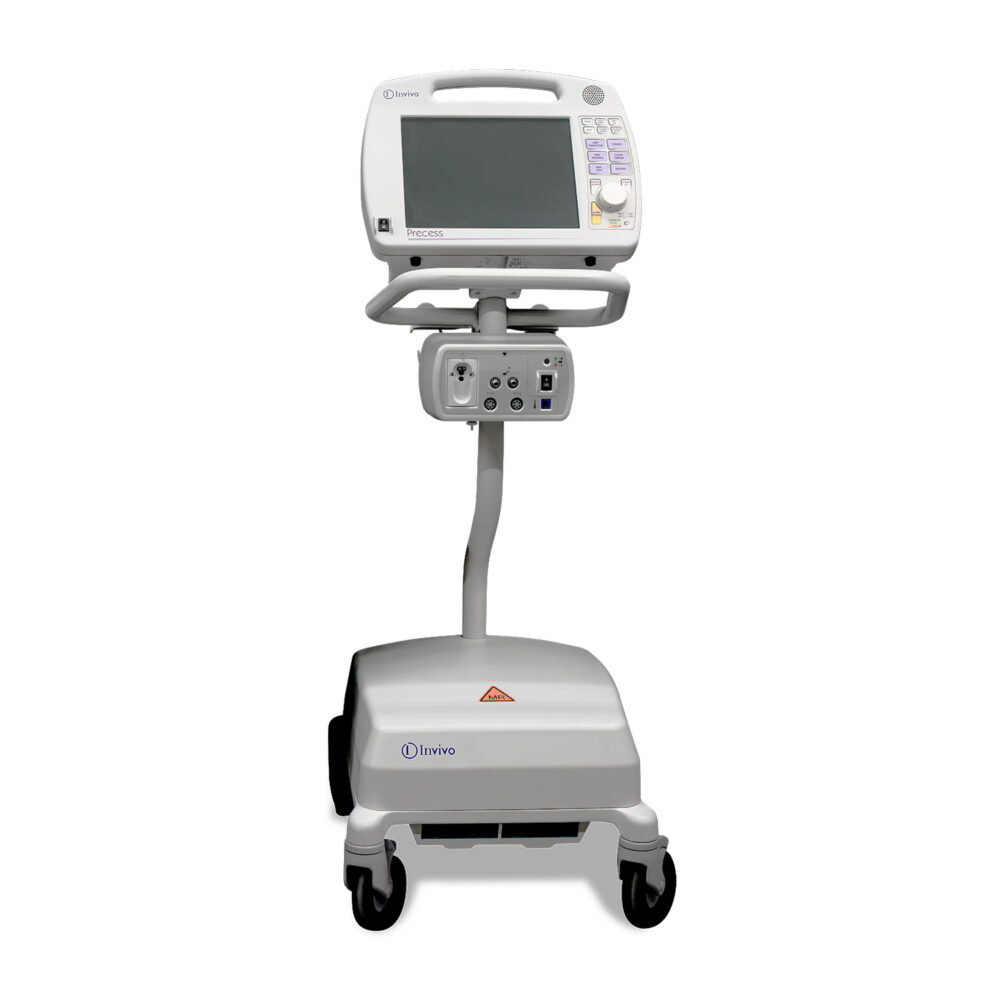
The TeslaDUO-MRI monitor delivers continuous SpO2 and blood pressure monitoring inside the MRI suite without compromising scan quality or patient safety. Unlike standard monitors that must stay outside the scan room, this unit operates safely within the magnetic field environment.
You get real-time vital signs monitoring throughout the entire MRI procedure, which matters most for sedated patients, pediatric cases, or lengthy imaging protocols. The wireless SpO2 option eliminates cable management headaches in tight scanner spaces. Battery life runs 6.5 hours, covering even your longest scan days.
The 7-inch touchscreen stays readable in low-light MRI environments, and the whole unit mounts securely on the TeslaDUO trolley. Bottom line: your team can monitor patients properly without workflow disruptions.
Key Features
- Available in SpO2-only, NIBP-only, and combined SpO2+NIBP configurations
- 7″ touch screen display with 800×480 resolution for clear viewing
- Integrated power supply with battery operation for up to 6.5 hours
- Wireless SpO2 sensor option
- Designed for safe positioning on the TeslaDUO trolley