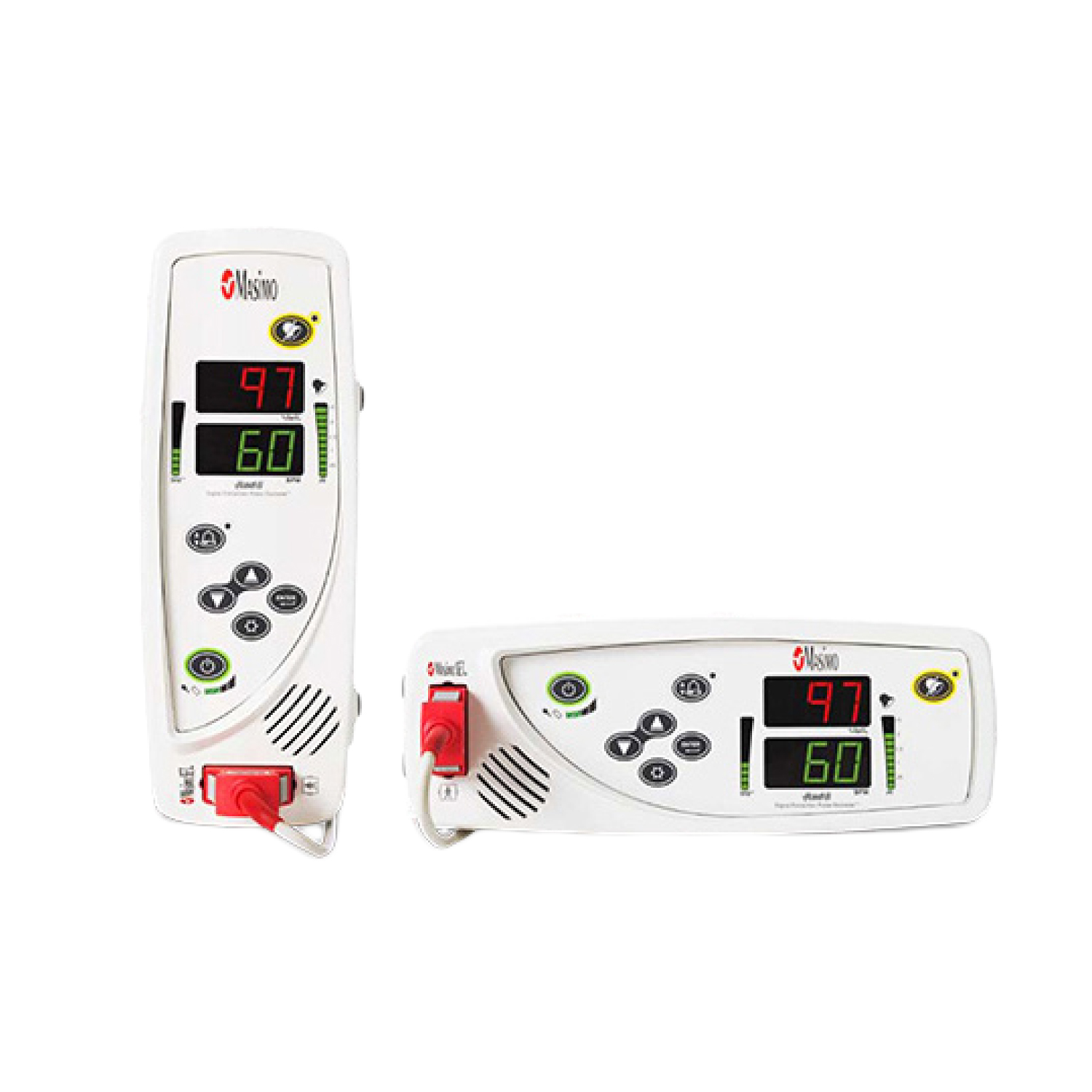
Masimo Rad 8 Signal Extraction Pulse Oximeter
Masimo SET technology delivers accurate readings even when patients are moving or have poor circulation, unlike standard pulse oximetry that fails during.
Quality Management
Facility & Processes
Biomedical Technicians
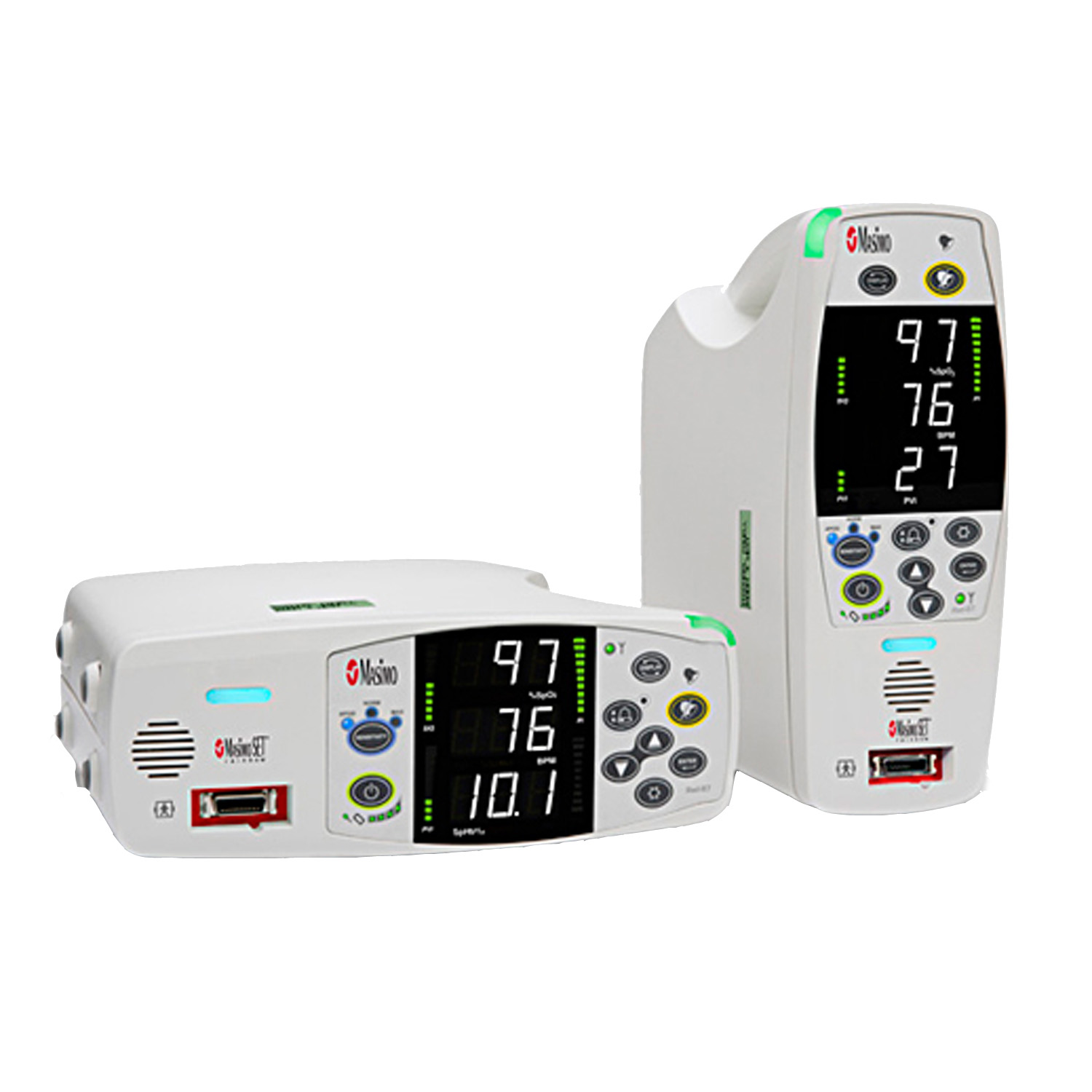
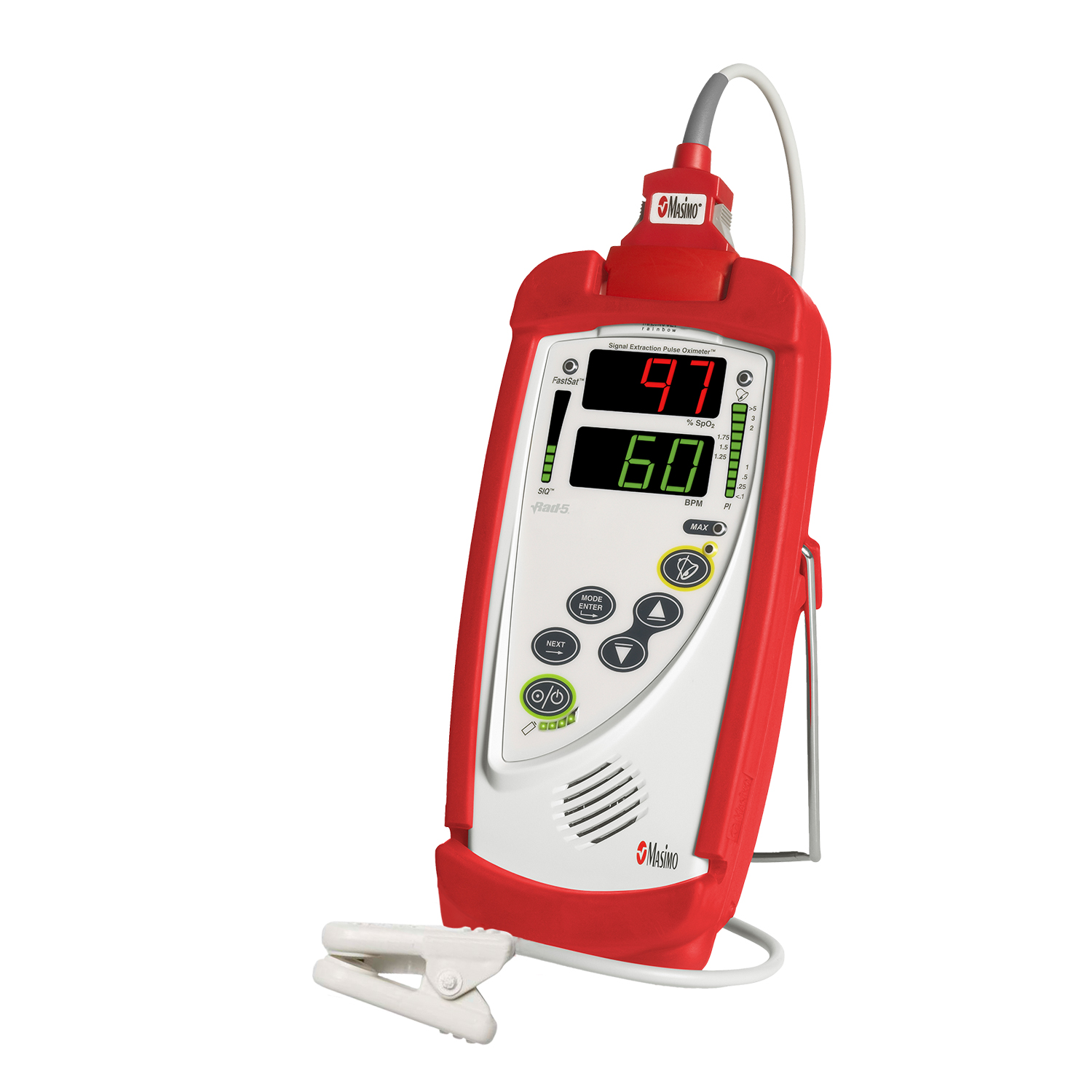
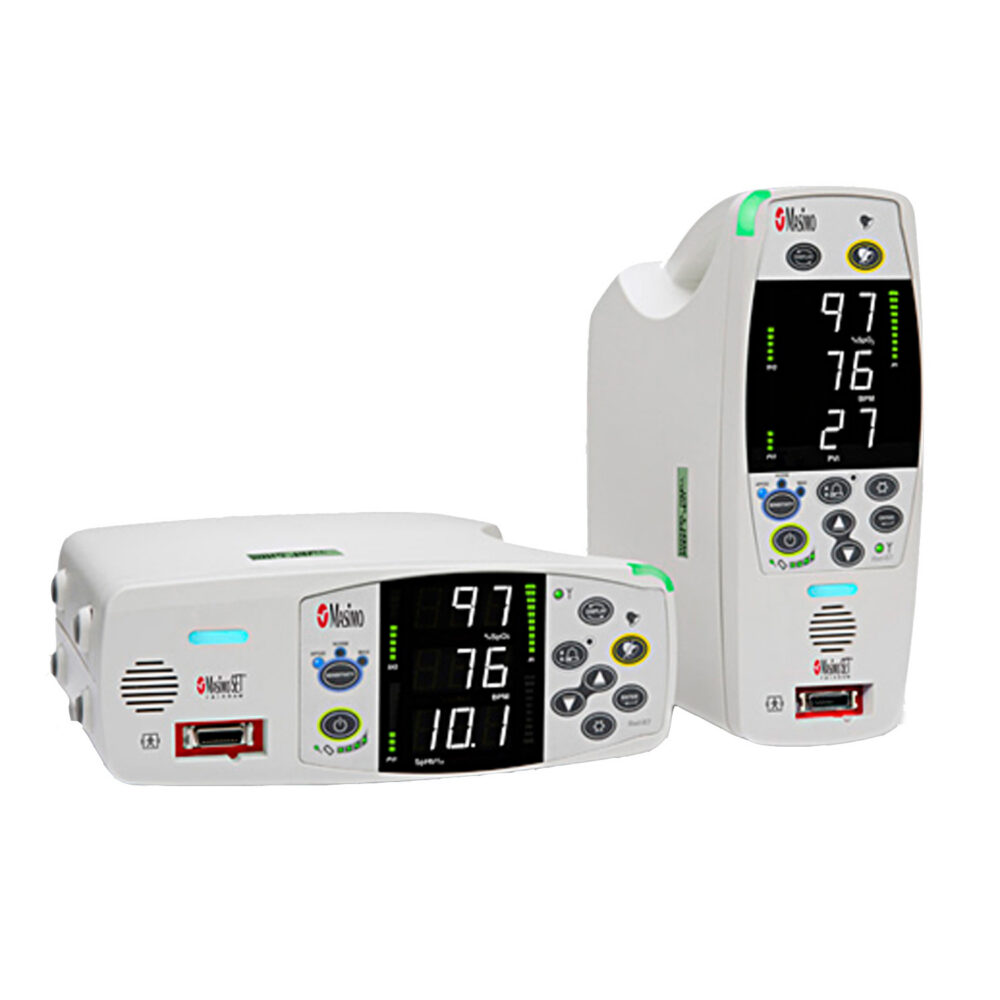
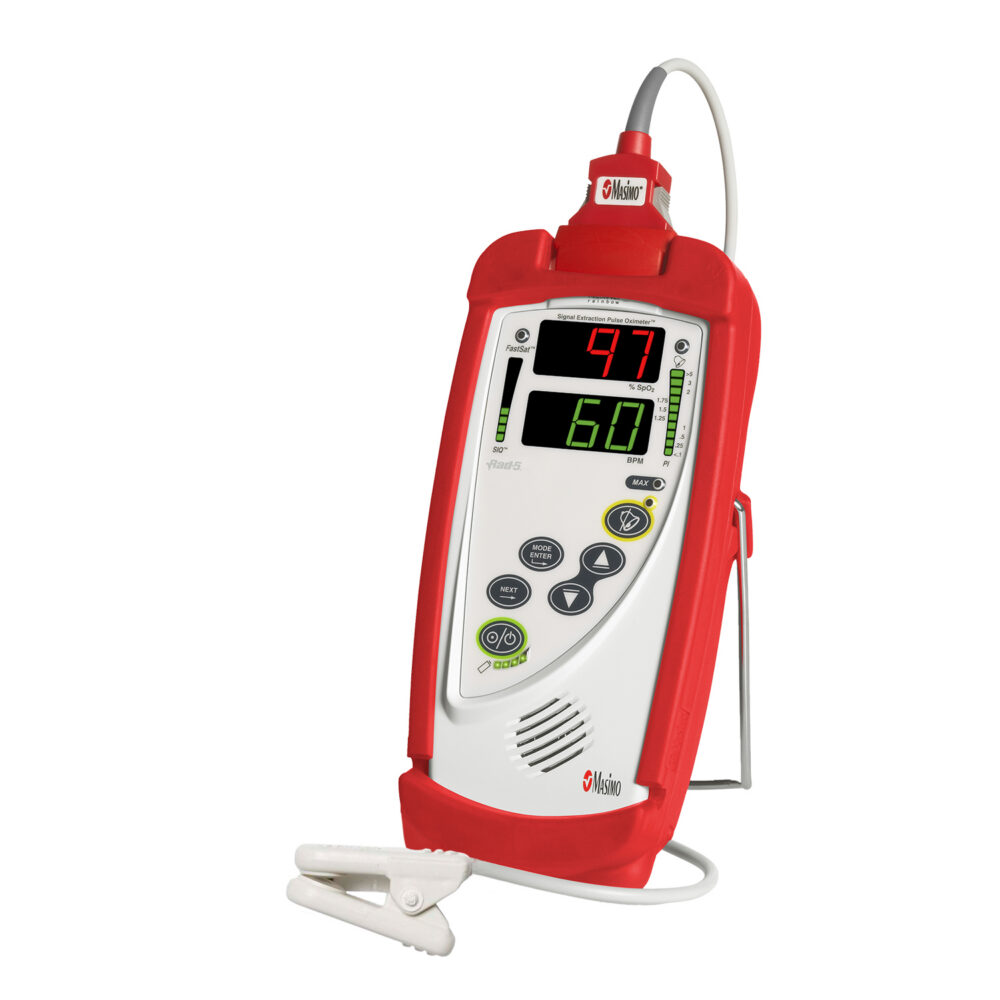
About the Masimo Rad 8 Signal Extraction Pulse Oximeter
Masimo SET technology delivers accurate readings even when patients are moving or have poor circulation, unlike standard pulse oximetry that fails during motion artifacts. The Rad 8 maintains reliable SpO2 and pulse rate monitoring in challenging conditions where conventional oximeters give false alarms or lose signal entirely.
Three configurable modes (Trauma, Sleep, Home) adapt the monitoring parameters for different clinical scenarios, while the Low Signal IQ indicator tells you when signal quality drops below reliable thresholds. The upside: 72 hours of trending memory and over 8 hours of battery life keep monitoring continuous during transport or when AC power isn’t available.
Key Features
- Masimo SET pulse oximetry proven accurate during motion and low perfusion
- Configurable Trauma, Sleep, and Home monitoring modes
- Perfusion Index with trending capability
- Low Signal IQ indicator for signal-quality assessment
- Three sensitivity modes with enhanced probe-off detection
- Adjustable averaging from 2 to 16 seconds
- Over 8 hours internal battery life
- 72 hours of trending memory
- RadNet and RadLink interface capability
- Large LED color display
Specifications for Masimo Rad 8 Signal Extraction Pulse Oximeter
Physical
- Dimensions: 8.2 × 6.0 × 3.0 inches (20.8 × 15.2 × 7.6 cm)
- Weight: 2.1 lbs (0.908 kg; 32 oz)
Measurement Range
- SpO2: 1 – 100%
- Pulse Rate: 25 – 240 beats per minute
- Perfusion Index: 0.02% – 20%
Accuracy
- Saturation Accuracy (70% to 100%): No Motion Adults/Pediatrics: ±2 digits; Neonate: ±3 digits; Motion Adults/Pediatrics: ±3 digits; Neonate: ±3 digits; Low Perfusion Adults/Pediatrics: ±2 digits; Neonate: ±3 digits
- Pulse Rate Accuracy (25 – 240 bpm): No Motion Adults/Pediatrics/Neonate: ±3 digits; Motion Adults/Pediatrics/Neonate: ±5 digits; Low Perfusion Adults/Pediatrics/Neonate: ±3 digits
- Resolution: Saturation (%SpO2): 1%; Pulse Rate (bpm): 1 bpm
Electrical
- AC Power Requirements: 100-240 VAC, 47-83 Hz
- Power Consumption: 15 VA
- Batteries (Handheld) Type: Sealed lead acid
- Battery Capacity: 8 hours
- Charging Time: 8 hours
Environmental
- Operating Temperature: 41°F to 104°F (5°C to 40°C)
- Storage Temperature: -40°F to 158°F (-40°C to +70°C)
- Operating/Storage Humidity: 5% to 95%, non-condensing
- Operating Altitude: 500 mbar to 1060 mbar pressure (-1000 ft to 18,000 ft / -304 m to 5,486 m)
Modes & Indicators
- Averaging Mode: 2, 4, 8, 10, 12, 14, or 16 seconds
- Sensitivity Modes: APOD, Normal, Max
- Display/Indicators: %SpO2, Pulse Rate, Alarm Status, AC Power, Signal IQ/pleth bar, Perfusion Index bar, Battery Status, No Sensor, Sensor Off, APOD/Norm/Max/FastSat/Trauma
- LED Type: LED
Alarms & Outputs
- Alarms: Audible and visual alarms for high/low saturation (1% to 100%), pulse rate (25 – 240 bpm), sensor condition, system failure, and low battery; Alarm volume 75 dB min
- Output Interface: Serial RS-232; Nurse Call
Compliance & Classification
- EMC Compliance: EN60601-1-2, Class B
- Equipment Classification: IEC 60601-1 / UL 60601-1
- Type of Protection: Class 1 (on AC power); Internally powered (on battery power)
- Degree of Protection – Patient Cable: Type BF-Applied part
- Mode of Operation: Continuous
Materials
- Components: Plastic; Stainless Steel
Intended Use
- Applications: Acute care and alternate care monitoring, transport, bedside studies, and home monitoring